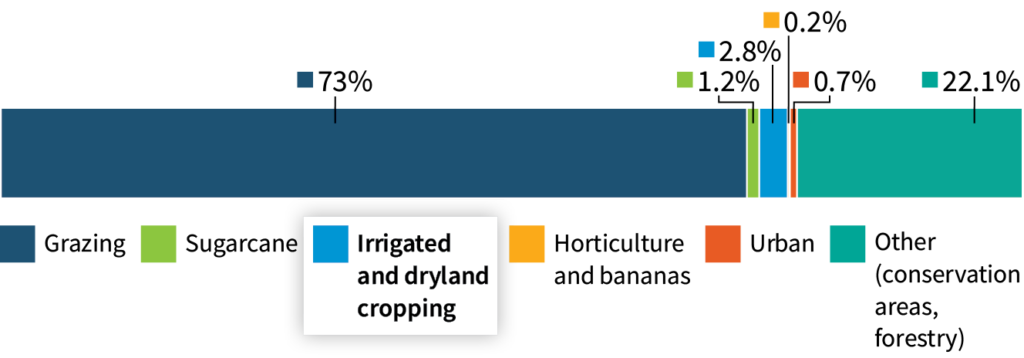
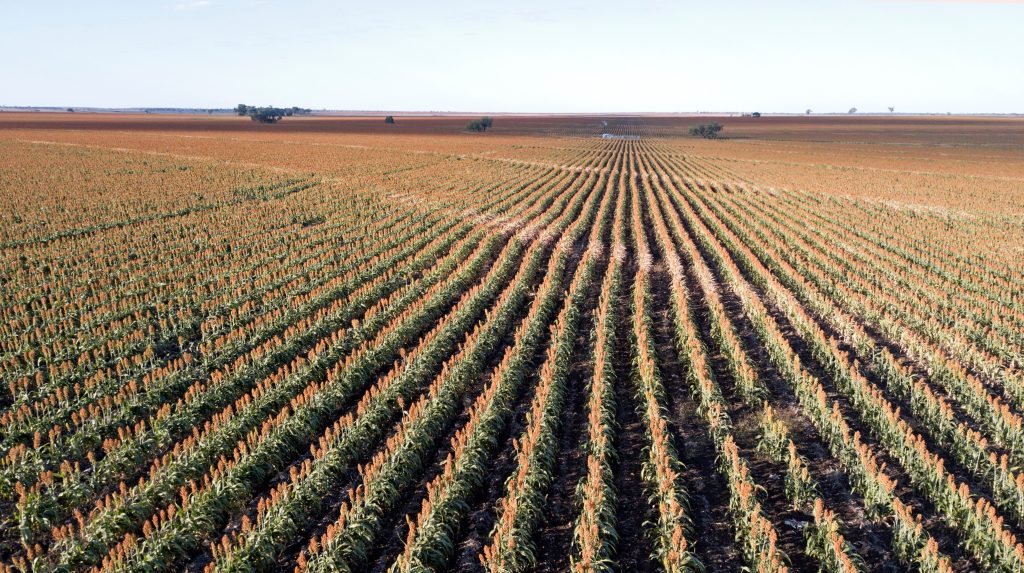
Broadacre crops in Queensland other than sugarcane include grains such as wheat, barley, sorghum, maize, chickpea, and faba bean, and other crops including cotton, and cover 2.8% of the Great Barrier Reef catchment. Irrigated and dryland cropping contributes 4% of the total fine sediment load to the Great Barrier Reef. Some management practices are proven to be cost-effective in improving water quality, but scaling up and greater knowledge of the costs and co-benefits of practice adoption is required.
Water quality and the Great Barrier Reef
Poor water quality, which can be caused by elevated levels of fine sediments, nutrients and pesticides, has a detrimental impact on Great Barrier Reef ecosystems, particularly freshwater, estuarine, coastal and inshore marine ecosystems. These environments provide critical ecosystem services and have high tourism, aesthetic, cultural, recreational and economic values.
How do land-based activities affect water quality?
The Great Barrier Reef catchment area has been modified by changes in land use over time. These modifications affect the type and amount of materials that runoff from the land and enter our waterways.
Compared to pre-development conditions, the volume of river discharge and loads of pollutants (including sediments, nutrients and pesticides) have increased for most river basins of the Great Barrier Reef catchment. Land use change has increased the amount of fine sediment and particulate nutrients that reaches the Great Barrier Reef by 1.4–5 times compared to pre-development conditions.
Land uses in the Great Barrier Reef catchments
How do cropping areas contribute to overall pollutant loads?
Irrigated and dryland cropping, including grains, contribute 4% of the total fine sediment load from 2.8% of the Great Barrier Reef catchment area. Although these land uses can generate high loads of sediments and pesticides per unit area, their overall areas are relatively small in comparison to other land uses. However, those exports can be locally important, and contribute to the overall pollutant loads delivered to the Great Barrier Reef. Nutrient exports from cropping are low in comparison to other land uses such as sugarcane or bananas.
Fine sediment and particulate nutrient loads by land use

How are changes to land-based runoff measured
Scientists use multiple lines of evidence to estimate changes over time

Monitoring

Modelling

Remote sensing

Proxy records (e.g. trace elements) from sediment and coral cores

Geochemical and isotope tracing
Which areas are the dominant sources of key pollutants associated with cropping?
Across the Great Barrier Reef, the largest contributor of fine sediment exports is grazing (60%), but dryland cropping contributes substantially to fine sediment exports in parts of the Fitzroy region.
The relative contribution to end-of-catchment pesticide loads of land uses such as cropping, horticulture and banana growing is generally negligible, except for the Fitzroy and Burnett Mary Natural Resource Management regions where the relative contributions are higher. Fertiliser application can also be a source of dissolved nutrients from cropping lands but the overall contribution to end-of-catchment loads are small.
Drivers and transport pathways
Main drivers of anthropogenic sediment and particulate nutrient exports from erosion in grain cropping areas are:
Vegetation loss

Tillage

Reductions in ground cover and other soil disturbances
Drivers influencing pesticide export:

Timing and rate of application

Pesticide and soil properties


Management options
In cropping lands, effective practices for reducing sediment and particulate nutrient loss include:

Contour banks and soil conservation structures on cropping lands >1% slope

Retention of crop residues (stubble)

Reduced tillage
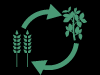
Crop rotation

Retaining ground cover to reduce erosion and improve yield
The additional benefits of cropping best practice have been demonstrated repeatedly, including improved economic viability and productivity, across different soils and mechanisation systems.
The most effective management practices to reduce pesticide risk from agricultural land uses such as cropping, include:

Reducing the total amount of pesticide applied

Optimising application methods

Timing application to coincide with low rainfall runoff

Choosing pesticides with lower environmental risk
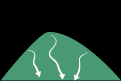
Reducing soil erosion
A range of non-chemical pesticide control measures hold considerable potential for reducing reliance on chemical control measures in cropping (Integrated Pest Management), but most are yet to be trialled in the Great Barrier Reef catchment area with respect to long-term pesticide use reductions, eicacy and economic outcomes.
Potential ecosystem impacts
Fine sediment and particulate nutrients in flood plumes can reduce water clarity (increase turbidity), which reduces the quality and quantity of light in Great Barrier Reef ecosystems
Reduced light and increased sediment can decrease the abundance, diversity, spatial extent and recovery rates of inshore seagrass meadow and coral reef ecosystems, and negatively impact their associated communities including fish and dugong
Pesticides are harmful to aquatic species and can increase species vulnerability to other stressors,
including heatwaves and reduced light
Burial or smothering of corals and seagrasses by sediment can cause tissue damage, reduce growth rates, and alter microbial communities that support reef health